Pigmentation treatment cost in Surat isn't a single number you can look up on a price list in 2026 — it's set case by case, after a dermatologist grades your pigmentation type, the area involved, and the technology needed to clear it. What most patients miss is the second cost: maintenance. Melasma and post-inflammatory pigmentation often need touch-up sessions and daily SPF discipline long after the main course ends, and that ongoing care adds to the real total.
- There is no fixed answer to how much does pigmentation treatment cost in Surat — it depends on pigmentation type, depth, area size and technology used.
- Laser toning courses for melasma typically run 4-6 sessions spaced 2-4 weeks apart; superficial peels need fewer visits.
- Maintenance sessions and daily SPF 30-50 use after treatment are recurring costs most quotes leave out.
- A dermatologist-guided diagnosis at a clinic like Skinoq in Surat determines the actual protocol and session count before any figure is quoted.
Why this matters
Pigmentation isn't one condition — melasma, sun spots, post-acne marks and post-inflammatory hyperpigmentation each sit at different skin depths and respond to different tools. Treating them the same way either wastes sessions on the wrong technology or under-treats deeper pigment that resurfaces within months. A dermatologist-led evaluation at Skinoq in Surat starts with this diagnosis, because the depth of the pigment — epidermal, dermal or mixed — is what actually decides the protocol, the number of sessions, and how the cost stacks up over the full course, not just the first visit.
How much does pigmentation treatment cost in Surat in 2026?
The honest answer: it varies by what's driving your pigmentation and how your skin responds through the course. Rather than one price, think of it as a set of cost drivers a dermatologist reviews at consultation:
| Factor | What it changes |
|---|---|
| Pigmentation depth (epidermal vs dermal) | Determines whether a peel is enough or laser toning is needed |
| Area treated (face, neck, hands) | Larger surface area extends session time and total course length |
| Technology used (chemical peel, Q-switched Nd:YAG, IPL) | Different equipment carries different per-session clinical input |
| Number of sessions needed | Melasma often needs more rounds than isolated sun spots |
| Maintenance and home-care add-ons | SPF, topical actives and touch-ups extend cost past the initial course |
| Doctor consultation and progress reviews | Structured review visits track fading and adjust the protocol |
No two pigmentation cases price out the same way because no two pigmentation cases are diagnosed the same way. This is also why published price lists for pigmentation treatment are close to meaningless without a skin exam first — the range across mild sun spots versus stubborn melasma is wide enough that an average figure misleads more than it informs.
Chemical peels for pigmentation
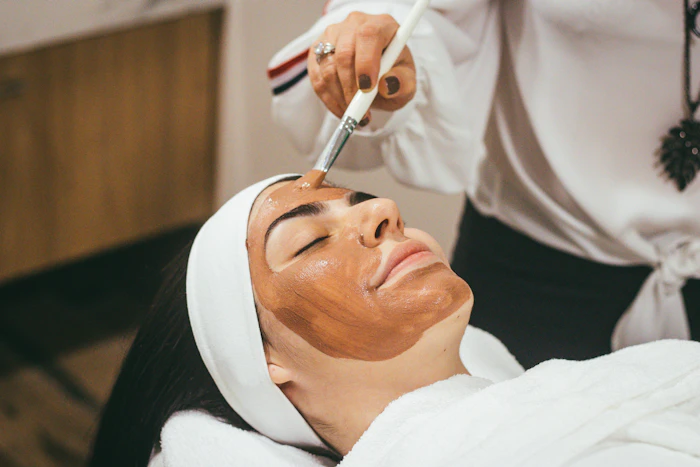
Chemical peels (glycolic, salicylic, or TCA depending on skin type) target superficial, epidermal pigmentation like early sun spots and mild post-acne marks. They're generally the entry point in a protocol because they're lower intervention and have shorter downtime, but they need repeat sessions to build cumulative results. Best for: mild, surface-level pigmentation and patients wanting minimal downtime. Buy — reasonable starting point when pigmentation is shallow and recent.
Laser toning and Q-switched Nd:YAG for melasma
Laser toning using Q-switched Nd:YAG technology breaks down melanin at a deeper level and is the standard tool for melasma and more resistant dermal pigmentation. Courses commonly run 4-6 sessions spaced 2-4 weeks apart in 2026 clinical practice, with progress reviewed between rounds to confirm the pigment is actually fading rather than rebounding. Best for: melasma and deeper, resistant pigmentation. Buy — but only under dermatologist supervision, since incorrect settings can worsen melasma in darker skin tones.
Combination protocols for stubborn pigmentation
When pigmentation is mixed-depth or has resisted single-modality treatment, dermatologists often combine peels, laser sessions and prescription-strength topical actives in a structured sequence. This raises the total session count but is frequently what actually clears cases that plateaued on one treatment alone. Best for: long-standing melasma or pigmentation that returned after prior treatment. Hold for a single-modality approach first — combination protocols are a second-line step, not a starting point.
Why pigmentation treatment cost varies
- Pigment depth — epidermal pigment clears faster and cheaper than dermal or mixed pigment.
- Skin tone and sensitivity — darker skin tones need calibrated laser settings to avoid triggering more pigmentation, which can change the protocol.
- Area size — a full-face melasma pattern needs more coverage time per session than a few isolated spots.
- Sessions completed vs sessions needed — stopping early often means the pigment partially returns, effectively adding cost later.
- Maintenance commitment — daily SPF 30-50 and prescribed topical actives aren't optional; skipping them shortens how long results hold.
- Progress review structure — clinics that track fading with scheduled reviews can adjust the protocol before a full course is wasted on the wrong approach.
Get a dermatologist-graded pigmentation plan
Book a diagnostic consultation before committing to any protocol.
Related questions
Is pigmentation treatment permanent?
No single pigmentation treatment guarantees a permanent result in 2026 — melasma in particular is hormone- and sun-sensitive and can return without maintenance. Ongoing SPF use and periodic touch-up sessions are what sustain results long-term, not the initial course alone.
How long does pigmentation take to fade with treatment?
Visible fading with laser toning typically becomes noticeable across a 4-6 session course spaced 2-4 weeks apart, though full evaluation happens at progress review visits. Superficial pigmentation from peels can show change sooner, while deeper melasma takes the full course to assess properly.
Does pigmentation treatment hurt or need downtime?
Most pigmentation treatments — peels and laser toning included — involve mild sensations like tingling or warmth rather than significant pain, with downtime ranging from none to a few days of redness. Dermatologist supervision matters here because settings that are too aggressive can extend downtime or trigger rebound pigmentation.
Can pigmentation treatment be done at home instead of a clinic?
Home-use devices and over-the-counter actives can support maintenance between clinic sessions but don't replace a dermatologist's diagnosis of pigment depth or clinic-grade laser and peel technology. Pigmentation that hasn't responded to home care after a reasonable period is a signal to get a professional skin exam rather than escalate the same routine.
FAQ
How much does pigmentation treatment cost in Surat?
There's no single figure — cost depends on pigment depth, area treated, technology used and number of sessions, which is why a dermatologist consultation precedes any quote in 2026.
What's the best treatment for melasma in Surat?
Laser toning with Q-switched Nd:YAG technology is the standard first-line option for melasma, typically run as a 4-6 session course under dermatologist supervision.
Is laser toning better than chemical peels for pigmentation?
Laser toning targets deeper, more resistant pigmentation like melasma, while chemical peels suit superficial sun spots and mild marks — the right choice depends on how deep the pigment sits, which a skin exam confirms.
How many sessions does pigmentation treatment need?
Laser toning courses commonly run 4-6 sessions spaced 2-4 weeks apart, while superficial peels may need fewer or more depending on how the skin responds between visits.
Does pigmentation come back after treatment?
Yes, pigmentation — especially melasma — can return without daily SPF 30-50 use and periodic maintenance, since sun exposure and hormonal triggers are ongoing factors.
Is pigmentation treatment safe for all skin tones?
Pigmentation treatment can be safe across skin tones, but laser settings must be calibrated by a dermatologist since incorrect settings on darker skin tones risk triggering more pigmentation rather than clearing it.
How do I know if my pigmentation needs a peel or laser?
A dermatologist determines this by assessing whether the pigment is epidermal (surface) or dermal (deeper) — epidermal pigment often responds to peels while dermal or mixed pigment usually needs laser toning.
Can I get a pigmentation treatment quote without a consultation?
A meaningful quote isn't possible without a skin exam first, because the protocol — and therefore the session count and cost — depends entirely on how deep and widespread the pigmentation is.
One last thing
The detail patients underestimate most going into 2026 isn't the treatment itself — it's the sun exposure gap between sessions. Skipping SPF 30-50 for even a few days during an active laser toning course can undo weeks of fading progress, which is why progress reviews between sessions matter as much as the sessions themselves.